Plain answers before you pick up a saw
Tree Removal Questions, Answered Simply
Request an Estimate
FAQ
Answers to common questions
- How do I know if a tree needs to come down?
- Look up first. Check the trunk for deep cracks, peeling bark, mushrooms at the base and lean that is new. Look for dead branches in the crown too. Note it, snap it: take dated photos from the ground. One sign may be minor. Several signs together are a reason to request an estimate and have a provider take a closer look.
- Can I cut down a tree myself?
- Small saplings and low, light branches you can reach from the ground are often fine. Stop at the saw when the tree is taller than a one-story roof, near wires, or leaning toward the house. Falling trees do not go where you plan. Wedges, ladders and chainsaws together cause many injuries. Let a trained provider handle big jobs.
- What should I do after a storm drops a tree or limb?
- Stay back and keep kids and pets away. Never touch a tree that rests on a power line. Treat the line as live. Snap photos from a safe spot. Then ask a provider about storm tree clearance. Many providers can respond quickly, but availability varies. Request a callback to check provider availability, or send the request form.
- What time of year works well for tree removal?
- Dead or unsafe trees should come down when you spot the problem, whatever the season. For healthy trees you simply want gone, frozen ground in winter can ease access and protect your lawn. Spring and fall are busy times. Ask providers about their schedules when you request an estimate, so you can plan ahead.
- Does stump grinding come with tree removal?
- Not always. Many providers price stump grinding as its own line item. Tell them you want the stump gone when you request an estimate. Then check the written quote. It should say how deep they grind and who cleans up the chips.
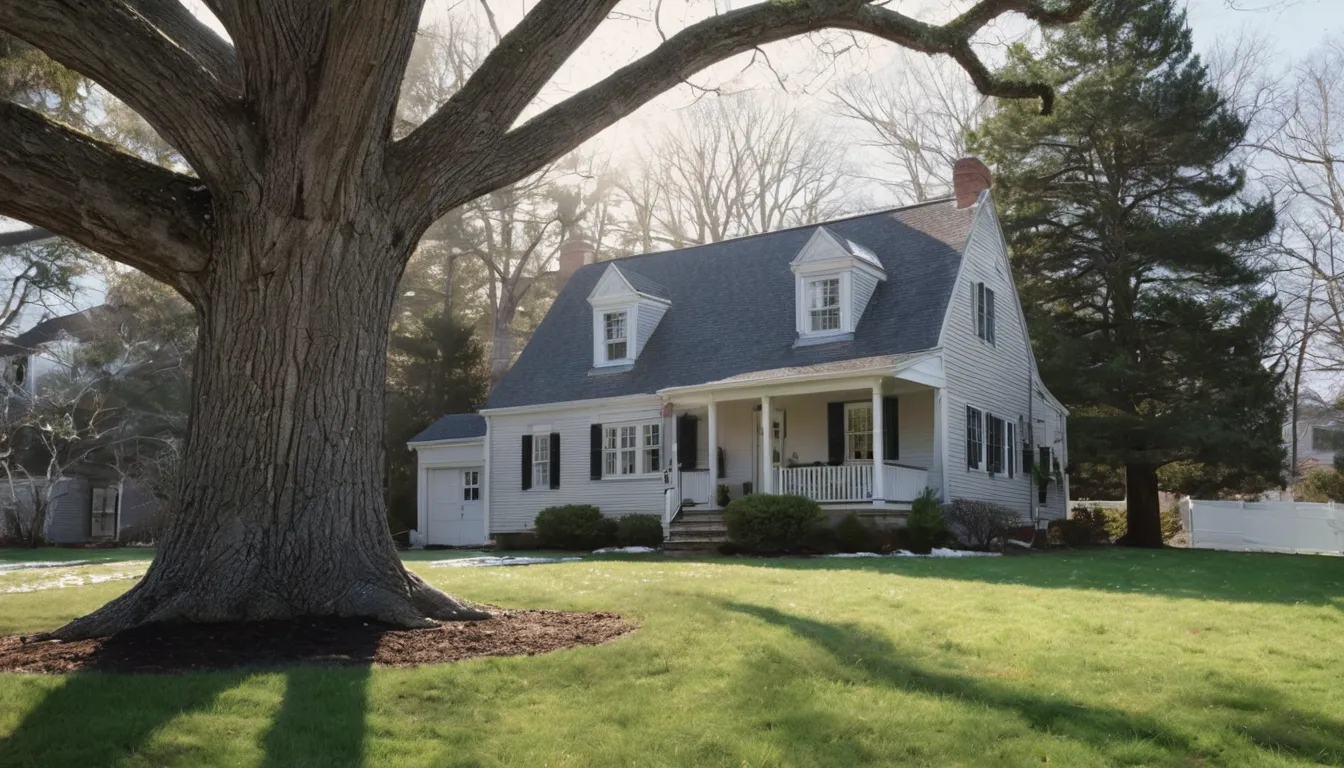
- How can I protect an older house from a risky tree?
- Older homes often have aging roofs, stone or block foundations and tight lots. Roots can press on old walls, and limbs can scrape shingles. Walk the yard twice a year. Mark any limb that hangs over the roof. Check for heaving soil near the foundation. Share those notes and photos with the provider so they can plan around the weak spots.
- What should I ask a provider before I say yes?
- Ask if they carry liability insurance and workers' compensation, and ask for proof. Ask what the quote covers: cutting, hauling, cleanup and stump work. Get it in writing. Ask how they will protect your roof, fence and lawn. A careful provider answers these without fuss. Compare more than one written quote if you can.
- How much does tree removal usually cost?
- Typical U.S. prices run from a few hundred dollars for a small tree to several thousand for a tall one near a house or wires. Size, access, tree health and cleanup all change the price. Storm work can cost more. Costs vary by job, so always get a written quote before work starts. Insurance may help with sudden damage, so check your policy.
Contact Us
Request a callback
Send a short request about your tree and a local provider can follow up with an estimate. Prefer email? Write to contact@claresstitchingpost.site.
No obligation